


When we say Tibet in English today, we are referring to a geographical region defined by politics. Yet behind these politically divided borders lies a much older and simpler name — Bo (བོད་, Bod) — the name that Tibetans have called their own land since ancient times.
The Land of Bo — Tibetans’ Own Name
Tibetans refer to themselves as Bo-pa, meaning the people of Bo, and to their country simply as Bo.
This name appears in the earliest Tibetan inscriptions and texts, including the 9th-century treaty pillar still standing outside the Jokhang Temple in Lhasa.
In early usage, Bo specifically referred to the central highlands — the Yarlung Valley and the region around Lhasa — where the first Tibetan kingdom arose in the 7th century. Over time, as Tibetan power expanded eastward into Kham and Amdo, Bo came to represent the entire Tibetan plateau and all its people.
Tu-bo (吐蕃) — The Chinese Record
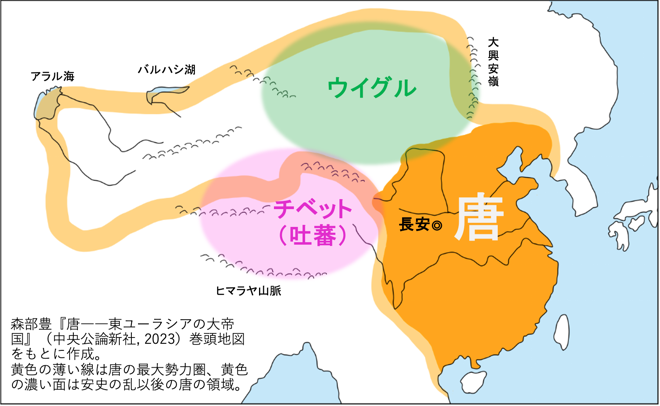
The first foreigners to write down Tibet’s name were the historians of the Tang dynasty in China (7th–10th centuries), when the Tibetan Empire and Tang China were powerful neighbors and rivals.
In their official chronicles, the Tang scribes transcribed the name of this new western kingdom as 吐蕃 (tu bo).
This is where the story gets fascinating.
The first syllable, Tu - some modern scholars have suggested that it might reflect the Tibetan word stod (pronounced tö), meaning upper — referring to the high valleys and upstream lands around Lhasa where the early Tibetan kings ruled.
Whether that was intentional or not, the Tang records captured the essence of the Tibetan homeland: the high, upstream land of Bo.
From Tu-bo to Tibet
Centuries later, the same sound pattern began to appear far beyond China.
- Turkic and Persian sources mention Tüpüt or Tibbat.
- Arabic writers of the medieval period used Tibbat, and from them European travelers adopted the name as Tebet, Thibet, and finally Tibet.
Linguistically, these forms likely trace back to the same source — the early Chinese transcription Tu-bo or its Central Asian variants.
So while the route was long — Tubo → Tüpüt → Tibbat → Tibet — the resemblance between Tu-bo and Tibet is not accidental. It reflects how different cultures heard and repeated the same Tibetan word in their own speech.
So, in summary:
- Bo / Bod / Bhö — the native Tibetan name, used by Tibetans for themselves and their country.
- Tu-bo (吐蕃) — how the Tang Chinese recorded the Tibetan Empire, based on what they heard.
- Tibet / Tibbat / Tüpüt — how Central Asian and later Western languages borrowed and reshaped that same sound.
Bo is the name of the people;
Tu-bo was how their neighbors wrote it;
and Tibet is how the world remembers it.


0 comments